The Retroid Pocket 6 lurks while there’s a quiet pulse in handheld gaming right now, a gentle surge of momentum as the tide shifts among retro-Android devices. For long-time fans of portable emulation and Android gaming, the name GoRetroid has resonated for years—especially through their previous device, the Retroid Pocket 5, which sat at the top of many best-lists for good reason. And now: the Retroid Pocket 6 has arrived, signalling a fresh chapter in their story.
We’re going to walk through how this device came to be, what it offers, how it looks and feels, what it means in the broader handheld landscape, and ultimately whether it might reclaim the crown for GoRetroid.
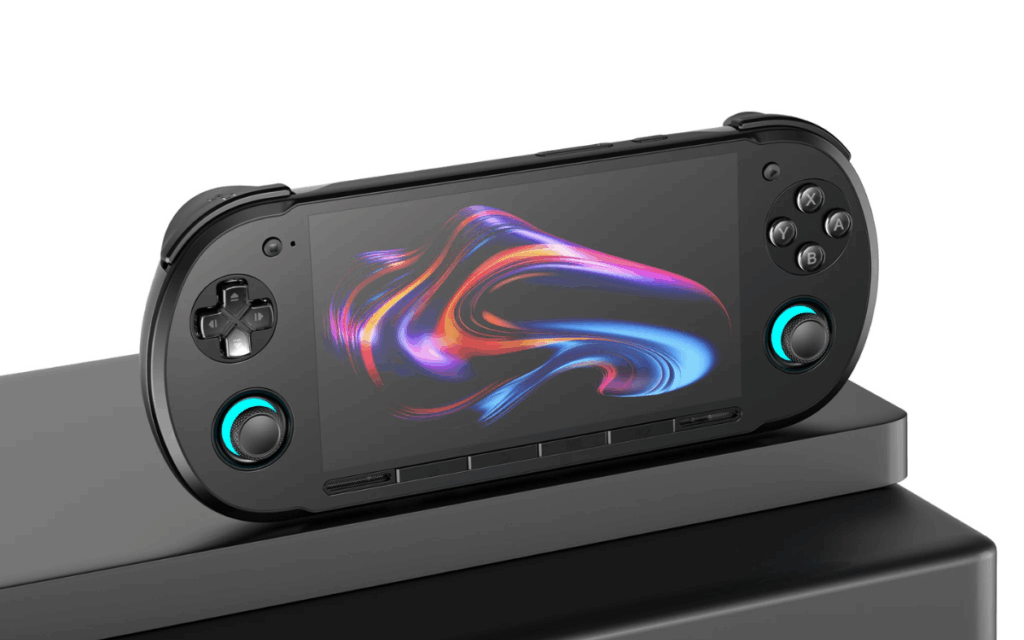
Retroid Pocket 6
GoRetroid’s Retroid Pocket series has been a consistent presence in the Android handheld space. The Pocket 5—released not so long ago—was widely praised for its combination of design, display, and power. (Retro Handhelds – Play It Forever) Yet as the months passed, the competition grew sharper. Brands like AYANEO and ANBERNIC began releasing devices with ever-higher specs, more aggressive pricing, and often fresh aesthetic takes. The handheld ecosystem matured.
In that context, GoRetroid seemed to have nearly taken a pause, at least in perception—while the rest of the market kept pushing. And that’s where the story of the Retroid Pocket 6 begins: not merely as a new model, but as a statement of return.
Retroid Pocket 6 & Retroid Pocket G2
When GoRetroid revealed not one, but two new handhelds—the Retroid Pocket G2 and the Retroid Pocket 6—it marked more than a refresh. It marked a re-entry onto the stage. The announcement triggered a ripple of interest. (Retro Dodo)
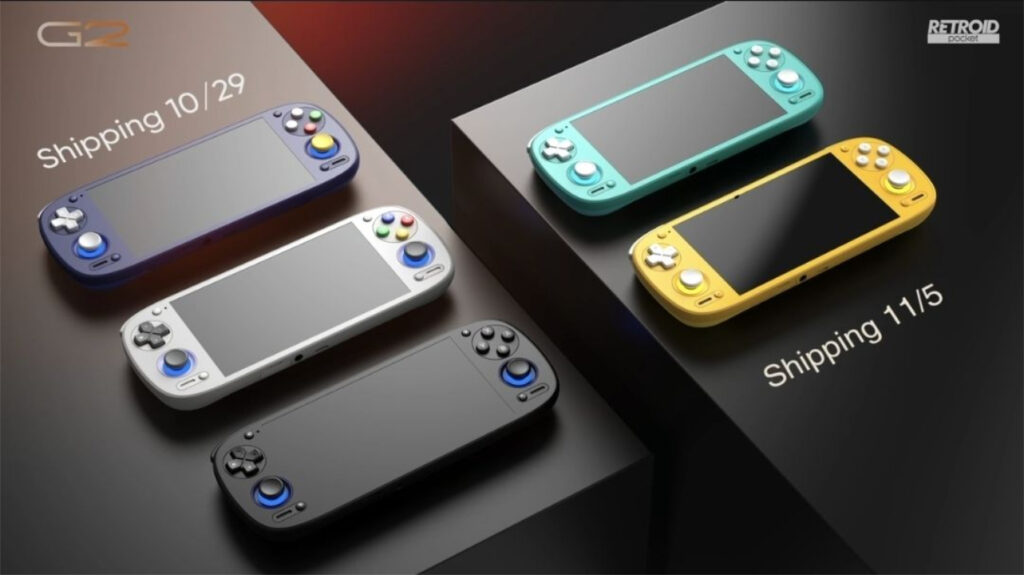
In particular, the Retroid Pocket 6 was billed by GoRetroid as their “most powerful handheld yet”. That kind of language matters—not just because of the specs, but because it signals intention. After a period of quiet, the company seemed ready to say: we’re back, we’re serious, and we’re not just playing catch-up.
Retroid Pocket 6 Design & Feel
One of the first things you notice about the Retroid Pocket 6 is the design shift. While the earlier Pocket 5 already offered strong ergonomics and a 5.5″ display, the new model tweaks the aesthetic and layout in subtle but meaningful ways.
Display & ergonomics
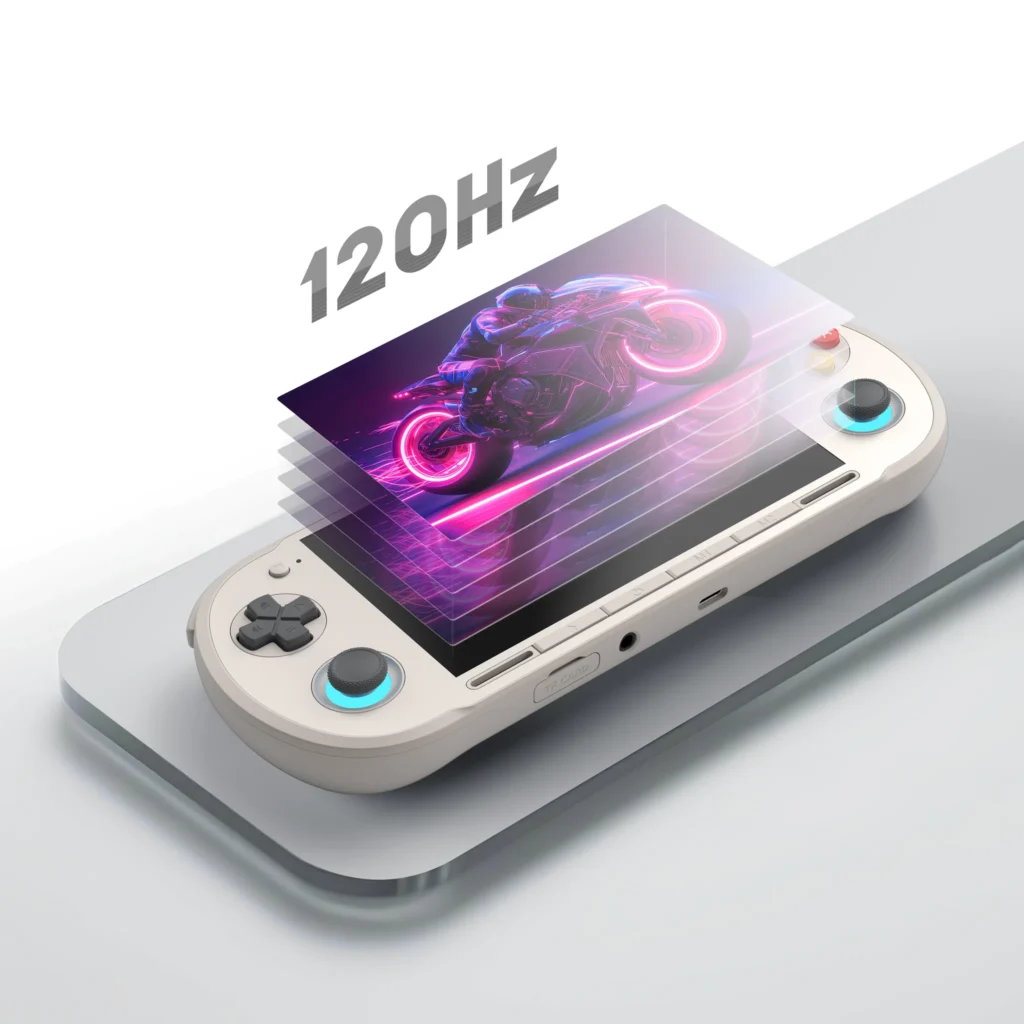
- The display: 5.5″ AMOLED, 1920×1080 resolution, and a 120 Hz refresh rate. (Notebookcheck)
- The sticks remain symmetrical, and the shoulder buttons are oversized for comfort—echoing recent trends in larger handhelds.
- The overall shape is definitely closer to a PS Vita rather than a typical retro handheld.
The “chin” and button layout
A notable visual change: beneath the display, you’ll find a control-bar “chin” that sits between two front-facing speakers. It’s a departure from previous Palm-size handheld layout norms. Some see it as a practical evolution; others feel it steps back in sophistication. For me it feels like a nod back to the original Retroid 2 which had a noticeable control bar style chin. I really like that Retroid are forming their own unique design style.
However, GoRetroid responded—quite admirably—to the more negative feedback, removing the initial landing-page for the device and asking users where they’d prefer button placement. This speaks to a mindset of listening and adapting.
So while the design might not feel radical, there is a sense of refinement and iteration rather than an all-out reinvention.
Retroid Pocket 6 Specification
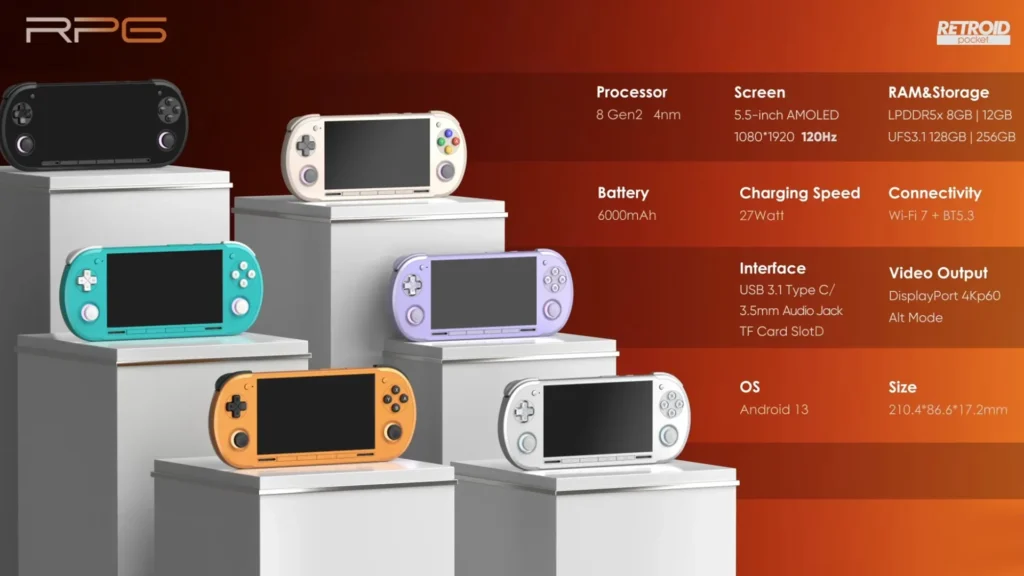
If we’re seeking substance beneath the shell, the Retroid Pocket 6 delivers. Let’s walk through the key specs. (Notebookcheck)
Key hardware
- Processor: Snapdragon 8 Gen 2.
- Display: 5.5″ AMOLED, 1920×1080 resolution, 120 Hz refresh rate.
- RAM + Storage: Options of 8 GB or 12 GB RAM; storage up to 256 GB.
- Battery: 6,000 mAh with support for 27 W wired charging.
- Connectivity: Wi-Fi 7, Bluetooth 5.3.
- Operating System: Android 13 out of the box.
- Other features: USB-C with DisplayPort support (4K@60 fps), microSD slot, and strong audio & ergonomics enhancements.
What this means in practice
For retro gamers, this means the Retroid Pocket 6 is well equipped to emulate a wide range of systems—including demanding ones like PlayStation 2 or PSP—with high resolution and smoother refresh. It also positions the device as viable for Android native gaming and even cloud streaming, thanks to the strong connectivity and display.
But beyond raw power, this is about future-proofing: making sure the handheld remains relevant for several years rather than being obsolete in a few.
Retroid Pocket 6 Pricing & Release
A device can look great on paper—but what about cost and availability?
Pricing
- Base model (8 GB RAM + 128 GB storage): US $229.
- Higher model (12 GB RAM + 256 GB storage): US $279.
- Pre-order discounts bring them down slightly—e.g., US $209 for the base, US $259 for the higher model.
In GBP and Euros this will of course vary, but the sense is that this device is positioned as a “premium” Android handheld—not bargain-basement.
Availability
The official announcement cites pre-orders beginning on 27 October (9 pm BST) / 28 October (9 am BJT) and shipping slated for January 2026. (Retro Dodo)
While the shipping timeline means a wait, the upside is that you’re looking at one of the more high-spec handhelds in this category right now.
Contextualising the Retroid Pocket 6 in the Market
To truly understand the Retroid Pocket 6, it’s helpful to see where it stands in relation to its predecessor and competitors.
Compared to Pocket 5
The predecessor, the Pocket 5, offered strong value and very respectable specs: Snapdragon 865, 5.5″ AMOLED screen, 8 GB RAM, good ergonomics. The Retroid Pocket 6 upgrades most of these core metrics—refresh rate jumps to 120 Hz, the chip is a significant leap to Snapdragon 8 Gen 2, and connectivity gets bolstered with Wi-Fi 7, Bluetooth 5.3, etc.
In short: the Pocket 6 is a meaningful evolution, not just a minor tweak.
Compared to other brands
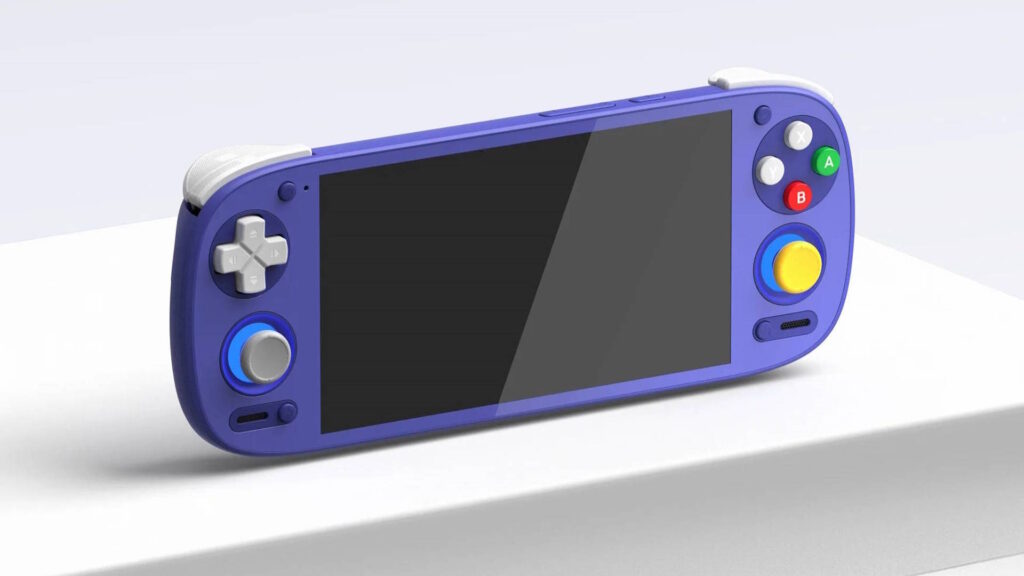
In the growing field of Android handhelds, price-to-performance is getting tighter and the innovations sharper. Rivals like AYANEO, AYN, ANBERNIC, etc., are pushing boundaries in both hardware and form-factor. The Retroid Pocket 6 enters this competitive fray with a solid package—but it also must contend with high expectations.
One reviewer put it plainly:
“Is the typical RP5 user going to pay another $200 to upgrade to something that doesn’t excite them? Probably not.” (Retro Dodo)
So the question is: does the Pocket 6 excite, not just satisfy?
Retroid Pocket 6 Strengths and Weaknesses
Here’s a more contemplative look at what the Retroid Pocket 6 does well—and where it might fall short.
Strengths
- Top-tier hardware: The jump to Snapdragon 8 Gen 2 and 120 Hz AMOLED is a standout.
- Ergonomics & display: Comfortable shape, quality display, and mature design cues.
- Connectivity & future-proofing: Wi-Fi 7, Bluetooth 5.3, USB C with DisplayPort—making it versatile.
- Company responsiveness: The fact that GoRetroid is listening to user feedback—adjusting design/branding—is a strong plus.

Potential Weaknesses
- Design conservatism: Some feel the layout doesn’t provide anything really exciting compared to the Pocket 5.
- Pricing above entry-level: The premium price tag means some prospective buyers may stick with earlier models or wait for discounts.
- Unique features missing: Compared to competitors adding fingerprint readers, trigger-locking shoulder buttons, etc., the Pocket 6 might seem less feature-rich in comparison.
What It Means for You: A Buyer’s Reflection
If you’re a fan of retro emulation, Android handheld gaming, and you’ve been eyeing an upgrade (or entering the scene for the first time), here are some thoughts:
- If you already own a Pocket 5 and you’re satisfied with its performance, you might pause. The upgrade to Pocket 6 is significant—but is it urgent?
- If you’re looking at handhelds around the $200-300 mark and want something future-proof, the Pocket 6 is one of the strongest contenders.
- Consider the ecosystem: Android gaming + emulation means you’ll want solid controls, display, and connectivity—things the Pocket 6 doesn’t skimp on.
- Wait for reviews if possible. While the spec sheet is excellent, real-world performance (thermals, battery life, build quality) will matter.
- Keep an eye on local UK/EU pricing and shipping. Exchange rates, taxes and shipping timelines all matter when buying overseas.
The Big Picture: Why This Matters
Beyond the numbers, the Retroid Pocket 6 represents something more subtle: trust in effort, and the idea of alignment between maker and user. There’s a sense of GoRetroid responding—to the market, to the community, to the rhythm of handheld gaming—in a way that speaks to deeper values.
In meditative reflection: the journey of handheld gaming mirrors our own journeys—seeking balance between power and comfort, between novelty and familiarity, between cost and value. The Retroid Pocket 6 sits at a crossroad: a bridge between what came before (Pocket 5, the company’s legacy) and what lies ahead (future handhelds, evolving standards).
If you carry this device in your backpack, slip it into your hands after a long day, and press start—what you’re holding is more than hardware. It’s the culmination of incremental trust in the brand, the promise of freedom to play on your terms, and a hint of what portable gaming can be in the next phase.

Final Thoughts
So, is the Retroid Pocket 6 the handheld to watch? Yes—absolutely. It marries high-end specs with thoughtful design and a company that’s stepping up again. It doesn’t invent everything anew, but it refines and uplifts what the Pocket series has always done well.
Will it reclaim the throne? Time will tell. The competition is fierce; the expectations high. But for anyone who believes that handheld gaming isn’t just a fad, but a channel for presence, for quiet joy, for the union of effort and letting go—this device is very well-poised.