The GameTank, a brand-new 8-bit home console designed for physical cartridges, simple wiring, and open-source hackability, emerges as a refreshing throw-back in an era dominated by streaming, digital downloads, and ultra-high-resolution graphics. Strap in as we explore the console that might just bring retro gaming back with a modern twist.
What is the GameTank?
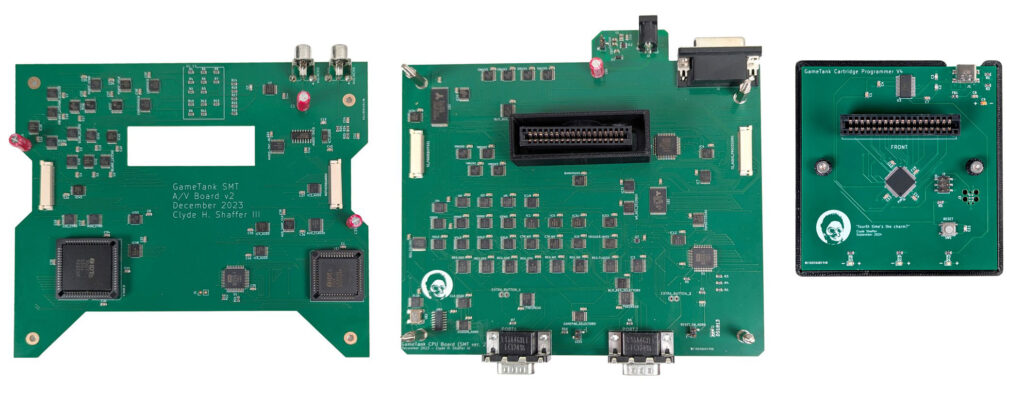
The GameTank is the brainchild of Clyde Shaffer and his company Clydeware LLC (based in Port Washington, NY). It’s not a remake or emulator of an old console—it’s a new system, built with discrete logic and RAM chips, anchored around the modern WDC W65C02S 6502-family microprocessor. (Crowd Supply)

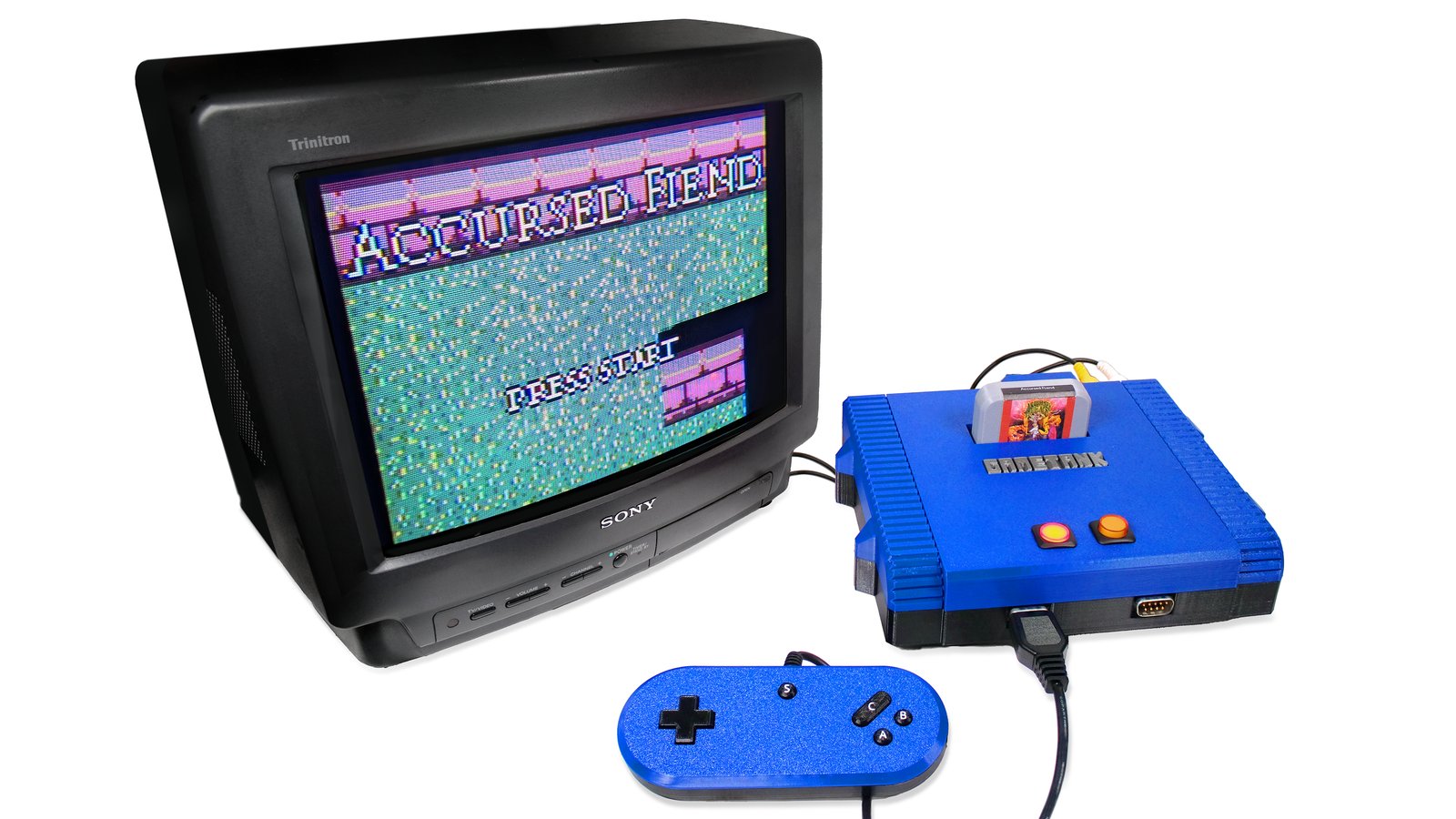
Unlike many retro-style consoles today that simply emulate decades-old hardware, the GameTank offers a physical cartridge slot, wired controllers, composite video output (yes: RCA jack like the ‘90s), and an ecosystem of original games designed for it.
GameTank Key Specs
- CPU: W65C02S @ 3.5 MHz
- Video: 128×128 framebuffer, hardware “blitter” for smooth animation
- Graphics RAM (“Sprite RAM”): 512 KB, which is very generous for an 8-bit platform
- Audio: Second W65C02S @14 MHz as dedicated sound coprocessor
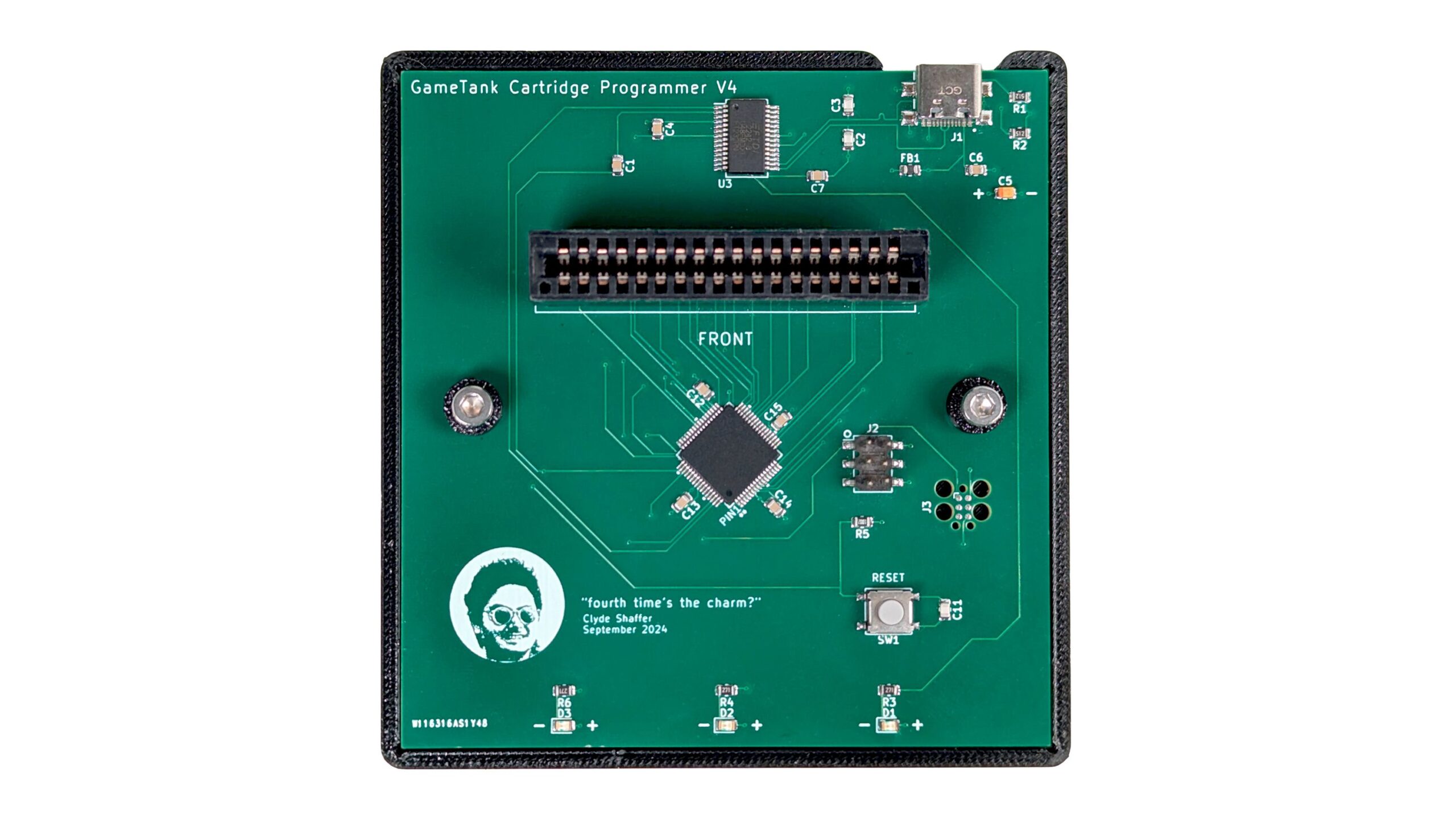
- Cartridge: Custom 36-pin board, flash memory, open to developers
- Video Output: NTSC composite (RCA) – authentic retro vibe
Why the GameTank Matters
1. A physical, tactile gaming experience
Remember the sound of a chunky cartridge slotting in, the old console hooking to your CRT via those yellow-white-red composite leads? The GameTank leans into that nostalgia. No HDMI dongle, no streaming—just a wired connection, a teammate in controller 2, and raw old-school fun.
2. Real hardware, not just an emulator
Though many retro consoles rely on FPGA or microcontroller cores, the GameTank is built from discrete logic and RAM chips—no FPGA, no hidden emulation layer at the heart. This gives it a authenticity that matters if you’re a developer or enthusiast who cares about hardware-level design.
3. Developer-friendly, open-source platform
If you’ve ever wanted to make your own cartridge game, tinker with console hardware, or build unusual accessories—this is the platform for that. The hardware schematics, board files, 3D-print files, SDKs (in C, Rust) are all open to the public. (GameTank) It’s a playground for creators, not just consumers.
4. Retro aesthetic meets modern-ish capability
The generous sprite RAM, hardware blitter, and dedicated audio coprocessor mean the GameTank can do smoother animations and sound than many classic 8-bit systems while retaining that vintage flavour.
What You’ll Actually See & Use
- Chunky cartridges: Slot them in, hear the ‘clunk’.
- Wired controllers: D-Pad plus A, B, C, and Start—simple, clean, direct.
- CRT hookup: you’ll need composite video (if going truly retro) though that may limit your modern-TV compatibility.
- Expansion port: there’s a 26-pin rear connector exposing GPIO and system signals—perfect for accessories.

Who Is the GameTank For?
- Retro gamers who miss the tactile, physical console experience.
- Indie game-developers/hobbyists who want to build original 8-bit-style games (not just ports).
- Hardware tinkerers — open board files + cartridge format + expansion port = endless possibilities.
- Collectors or enthusiasts who love a unique platform with charm, not just another “mini console”.
What We Don’t Know (Yet) & Things to Consider
- Pricing: There’s currently no confirmed price for the GameTank’s final retail version.
- Shipping/Availability: The launch is expected no earlier than Autumn 2026, though that may change.
- Resolution/modern-TV support: The native framebuffer is 128×128 and outputs composite video—may look very retro and may have compatibility issues with modern screens.
- Game catalogue: Since it’s a new platform, the number of available titles at launch will likely be small.
- CRT necessity: For full nostalgia you may want a CRT TV; using modern HDMI/composite converters may introduce quirks.
GameTank Final Thoughts
The GameTank bridges the gap between vintage charm and modern accessibility. It whispers of a simpler era—plugging in cartridges, wired controllers, physical play—while injecting fresh potential by offering development openness and a new ecosystem.
If you crave that nostalgic console feeling, and also want to build, tinker or discover original games—not just re-play old ones—the GameTank is worth keeping an eye on.