The Steam Machine has officially been revealed, and Valve has shaken the PC and console world once again. After years of speculation, prototypes, and community wish lists, Valve is returning to the living-room gaming experience with a powerful, compact, and highly optimized machine that bridges the gap between PC flexibility and console simplicity. Alongside it come the new Steam Controller and Steam Frame, forming a fully interconnected hardware ecosystem built for the future of both traditional and VR gaming.
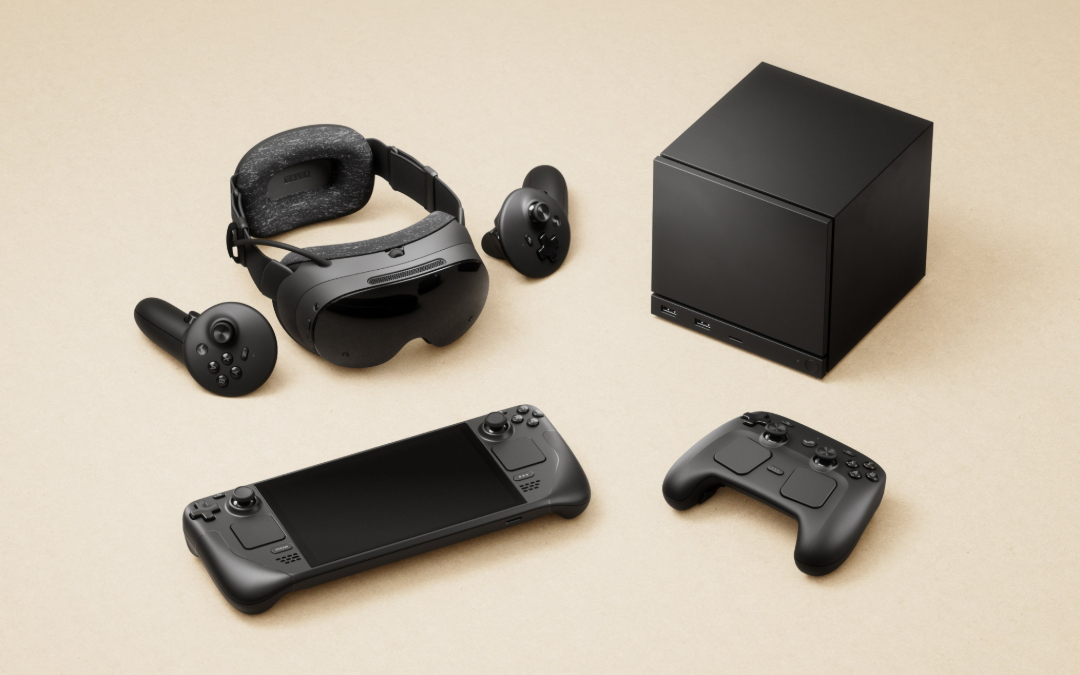
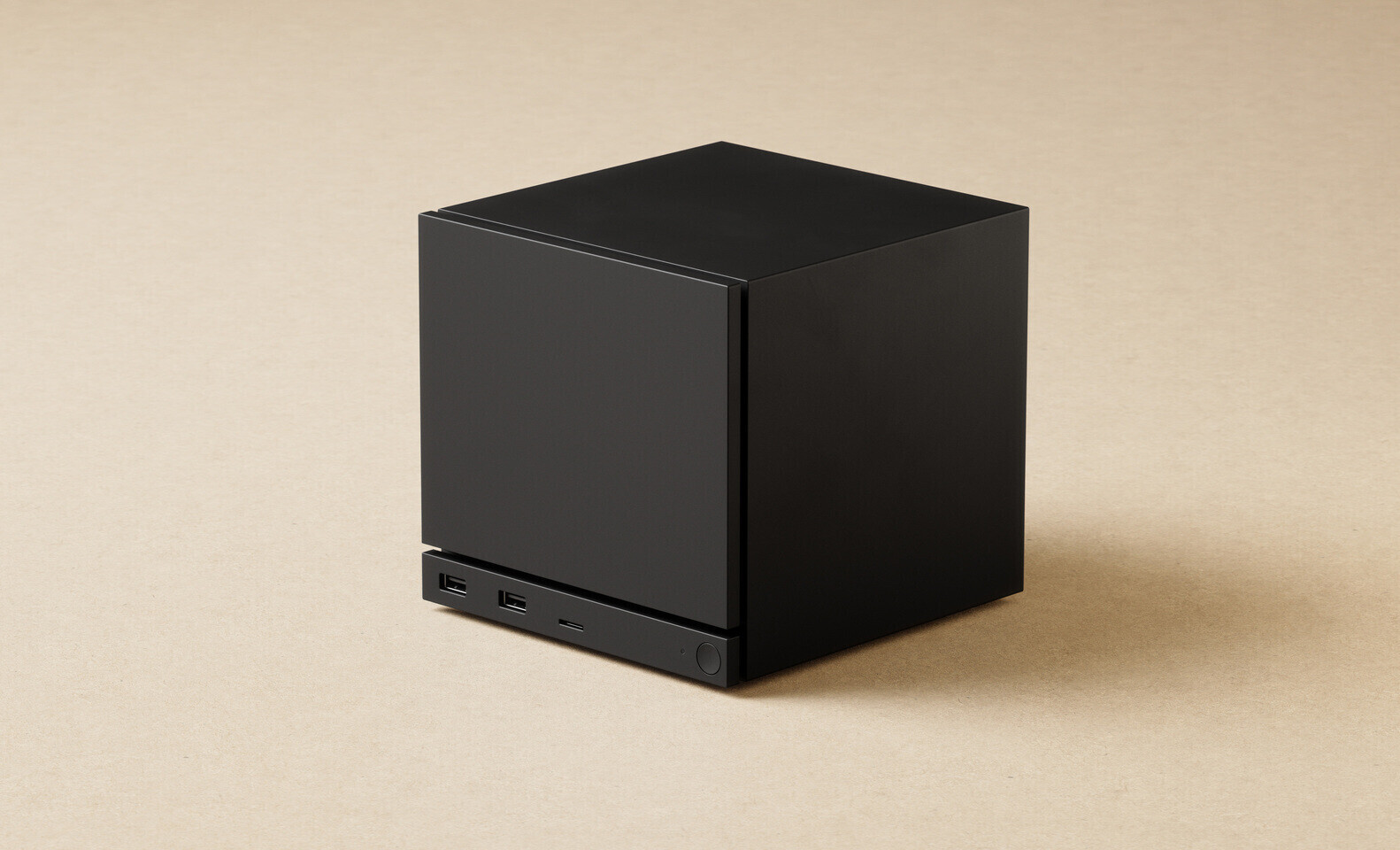
With a sleek cube-shaped form factor already affectionately dubbed the “Gabecube”, the Steam Machine aims to deliver the horsepower of a high-end gaming PC in a small, quiet, energy-efficient design. And with early performance claims boasting that the Steam Machine outclasses 70% of gaming PCs on the market, it’s no surprise that gamers, content creators, and hardware enthusiasts are buzzing.
In this in-depth breakdown, we’ll explore everything you need to know about the Steam Machine, the new Steam Controller, the Steam Frame VR headset, and Valve’s vision for a unified gaming platform.
What Is the Steam Machine? Understanding Valve’s New Hardware Vision
The Steam Machine is Valve’s newest compact gaming PC built to run SteamOS 3 and designed as a premium, small-form-factor device for both desktop and living-room setups. Unlike the Steam Deck, which focuses on handheld convenience, the Steam Machine targets users who want:
- A powerful gaming PC without building one
- A console-style experience with PC flexibility
- A compact desktop gaming powerhouse
- A device that seamlessly integrates with the Steam Deck and Steam Frame

Valve has made clear that the Steam Machine is not meant to replace gaming PCs—but instead to bring high-end gaming performance to a broader audience through an affordable, standardized, and highly optimized platform.
Steam Machine Tech Specs: A Compact Beast
Below are the official specs released by Valve:
Steam Machine Specifications
- CPU: Semi-custom AMD Zen 4, 6 cores / 12 threads
- GPU: Semi-custom AMD RDNA 3, 28 compute units
- RAM: 16GB DDR5
- VRAM: 8GB GDDR6
- Storage: 512GB or 2TB NVMe SSD + microSD slot
- Connectivity: Wi-Fi 6E, Bluetooth 5.3, Ethernet, Steam Controller wireless adapter
- Ports:
- DisplayPort 1.4
- HDMI 2.0
- Two USB-A 3.2 Gen 1
- Two USB-A 2.0
- One USB-C Gen 2
- Power: Internal 110–240V AC
- Size: 152 × 162.4 × 156 mm
- Operating System: SteamOS 3
On paper, the Steam Machine offers more power than most mid-range PCs currently in Steam’s hardware survey. According to Valve engineers, this configuration hits the sweet spot between affordability and performance, achieving a balance that will likely appeal to millions of PC gamers.
Steam Machine Performance: 4K Gaming and Beyond

During an appearance on Adam Savage’s Tested Podcast, Valve engineer Yazan Aldehayyat said the Steam Machine can run every game available on Steam, including demanding modern AAA titles.
Valve claims the Steam Machine is capable of:
- 4K gaming at 60 FPS
- Hardware-accelerated ray tracing
- FSR upscaling support
- Quiet thermals and energy-efficient performance
With the same engineering philosophy used for the Steam Deck, Valve has designed the Steam Machine to squeeze incredible performance out of optimized hardware and low-level improvements made in SteamOS.
This means players can expect console-like consistency but with PC-level flexibility.
SteamOS 3: The Heart of the Steam Machine
SteamOS has matured significantly since its debut.
On the Steam Machine, SteamOS 3 provides:
- A console-style interface
- Seamless controller support
- Full access to your Steam library
- Game verification labels (like Steam Deck Verified)
- Easy access to desktop Linux mode
- Support for dual-booting other OSes
One of the biggest advantages of running SteamOS is Valve’s intensive work on compatibility layers like Proton, which now supports thousands of Windows games with incredible performance.
The Steam Machine as a Streaming Hub
Valve confirmed that the Steam Machine can:
- Wake from sleep using the new Steam Controller
- Stream games to the Steam Deck, Steam Frame, or any Steam Link device
- Act as a central home gaming server
For many users, this turns the Steam Machine into more than a PC—it becomes a whole home gaming system.
Introducing the New Steam Controller: A Modern Input Powerhouse
Valve’s new Steam Controller introduces a massive upgrade over the original, blending elements of the Steam Deck, VR controllers, and modern gamepads.
Steam Controller Features
- Magnetic TMR thumbsticks (drift-resistant)
- HDR haptics
- Dual capacitive trackpads
- L4/L5 and R4/R5 back buttons
- Grip Sense Gyro control
- Steam Button + Quick Access button
- Puck-style charging dock
- Wired or wireless connectivity
- Infrared LEDs for VR tracking
Valve is also tapping into the community again—every controller will come preloaded with popular community input layouts for thousands of Steam games.
Paired with the Steam Machine, the Steam Controller wakes the system instantly and syncs its configuration per game. It’s also fully compatible with:
- Steam Deck
- Gaming PCs
- Steam Link devices
- Steam Frame VR headset
This controller is shaping up to be one of the most versatile input devices on the market.
Steam Frame: Valve’s New Wireless VR Headset

The Steam Frame is Valve’s next-generation wireless VR headset designed for:
- High-end PC VR
- Standalone VR gaming
- Fully wireless streaming
- Seamless integration with SteamOS
Steam Frame Headset Specifications
- CPU: Snapdragon 8 series
- RAM: 16GB DDR5
- Display: Twin 2160×2160 LCD panels
- Refresh Rate: Up to 144Hz
- Lenses: Lightweight custom pancake optics
- Tracking: 4 high-resolution monochrome cameras + IR LEDs
- Audio: High-fidelity dual speakers
- Wireless: Dedicated 6GHz VR streaming adapter
- Feature: Foveated rendering for boosted image quality
Valve has engineered the Steam Frame to offer the freedom of standalone headsets like Meta Quest—without sacrificing the fidelity and openness of PC VR.
Steam Frame Controllers: Precision Meets Comfort
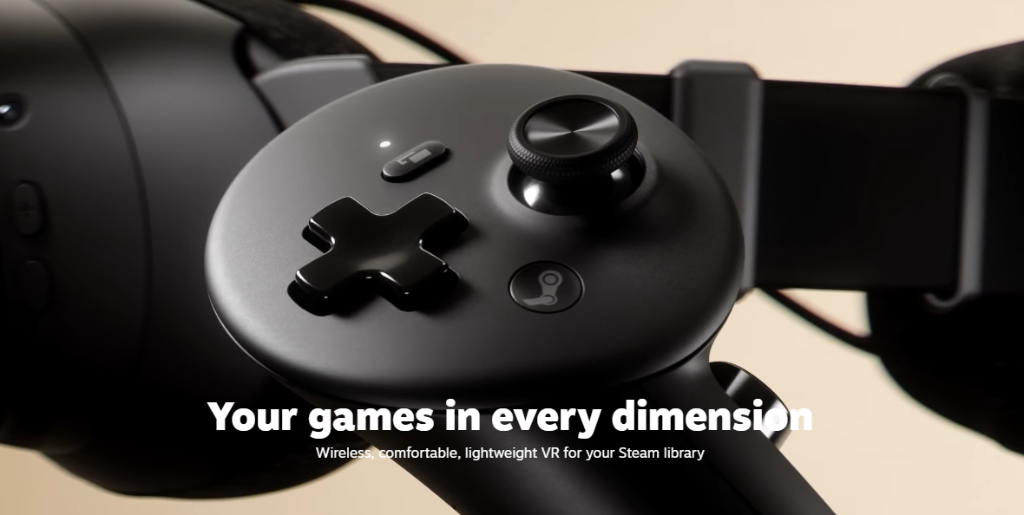
The Steam Frame’s controllers include:
- Magnetic TMR thumbsticks
- 40 hours of battery on a single AA
- Split-controller layout
- Triggers, bumpers, and menu buttons
- Inside-out tracking
- Capacitive finger sensing
They’re designed for both VR and standard non-VR gaming. This lets VR players switch seamlessly between games without needing a separate controller.
Steam Machine, Steam Controller & Steam Frame: Valve’s Unified Ecosystem
One of the most exciting parts of Valve’s 2026 hardware line-up is how these devices work together.
The Steam Machine is the central hub
- Hosts your library
- Streams to the Steam Deck
- Connects to the Steam Frame
- Syncs instantly with the Steam Controller
The Steam Controller is the universal controller
- Wakes the Steam Machine
- Works across Deck, PC, and VR
- Utilizes gyro, trackpads, and IR tracking
The Steam Frame brings VR mainstream
- Runs VR games standalone
- Streams from the Steam Machine
- Displays virtual controllers in 3D space
Valve is effectively building a cross-device ecosystem similar to Apple’s—but specifically designed for gamers.
Why Valve Says the Steam Machine Beats 70% of Gaming PCs
In the Tested interview, Valve explained that Steam Survey data shows that:
- Most users have 4-core CPUs
- Many GPUs are midrange or outdated
- RAM averages between 8–16GB
- Most PCs struggle with 1440p+, let alone 4K
This makes the Steam Machine’s specs a massive leap forward for the average gamer.
Valve even suggested the hardware may be closer to RDNA 3.5 in performance rather than pure RDNA 3—meaning many modern games will run far better than expected.
Price Speculation
Valve has not announced pricing yet, but to encourage mass adoption, analysts expect:
- Base Steam Machine: $499–$649
- High-capacity model: $699–$799
- Steam Controller: $69–$99
- Steam Frame headset: $399–$599
Valve has a long history of keeping profit margins low to broaden platform reach, so aggressive pricing seems likely.
Release Date: Early 2026
Valve confirmed that all three devices:
- Steam Machine
- Steam Controller
- Steam Frame
will release in early 2026, with preorders expected to open months beforehand.
Final Thoughts: The Steam Machine Could Redefine PC Gaming
With a powerful compact PC, a feature-rich controller, and a next-gen VR headset, Valve is positioning the Steam Machine as the centrepiece of a new era of gaming.
If Valve delivers on its promises—4K performance, low pricing, seamless device integration, and a user-friendly OS—this could be one of the most important gaming hardware launches of the decade.
2026 may very well become the year Valve transforms the gaming ecosystem once again.